Indigenous Jewelry Design: Motifs, Symbolism, and Aesthetic Principles
Indigenous jewelry is a living conversation about place, peoples, and practice, blending design theory with technical craft to express identity, memory, and a lasting relationship to the land. Across nations and regions, motifs, materials, and making methods appear in distinct forms that range from microbead filigree to sculpted silver, each telling stories from the coast, mountains, plains, and forests. This section traces how designers balance meaning and aesthetics by examining motifs, regional styles, color logic, and the ways contemporary artists reinterpret traditional forms. By looking at common symbols, regional variation, and composition rules, readers can appreciate why Indigenous jewelry serves as a powerful mode of storytelling, cultural assertion, and community resilience. Emphasizing handmade craft, sustainable materials, and collaborative practice, Indigenous jewelers demonstrate that traditional knowledge can evolve within modern markets without sacrificing authenticity.
Common Motifs and Their Meanings
For many Indigenous jewelers, motifs are more than decoration; they carry layered meanings that connect wearers with land, kinship, and history. The following motifs are commonly found across beadwork, metalwork, and ceremonial pieces, each carrying a concise interpretation.
- Sun motifs symbolize life, vitality, and cyclical renewal; they guide daily rhythms, celebrate harvests, and remind wearers of kinship with ancestors, reflecting optimism, endurance, and the healing power of light.
- An eagle motif embodies strength, keen vision, and spiritual guidance; it signals leadership, protection, and a bridge between land and sky, inviting balance between courage and empathy in daily decisions.
- Bear symbolism stands for protection, healing, and ancestral memory; its presence in beadedwork or metalwork invokes safety, confidence, and the nurturing care of elders, especially within family and community ties.
- Water or wave motifs signify journey, change, and life-sustaining cycles; they signal adaptability, renewal, and gratitude for rivers, oceans, and rain that sustain communities and shape ceremonial artistry.
- Corn or maize motifs celebrate abundance, sustenance, and shared harvest; they honor farmers, kinship, and communal meals, underscoring gratitude for cycles of growth that feed families and influence ceremonial ornamentation.
- Thunderbird motifs symbolize power and protection, embodying weather authority and spiritual guardianship; they connect communities to storms, memory, and the awe inspired by skies during rites and storytelling.
Meanings can vary by nation, family, and artist, but these motifs often signal values and stories that travelers encounter when exploring Indigenous jewelry traditions. The motifs also reflect a long lineage of handwork, teaching, and cultural exchange that continues to evolve with new materials and collaborative practices.
Regional Styles and Variation
Regional styles in Indigenous jewelry reflect access to materials, trade routes, and ceremonial needs. Each region favors certain forms and colors that enable communities to narrate lineage and environmental knowledge through adornment. In the Plains, dense geometric beadwork using white, red, blue, black, and yellow communicates status, memory, and clan affiliations through large, repeatable motifs that travel easily across regalia and dance outfits. Northwest Coast pieces emphasize bold forms, energy, and totemic symbolism, using inlay from abalone and shell, plus carved pendants that celebrate memory and family ties. The Southwest and Great Basin traditions foreground turquoise and silver, weaving narratives of sky, rain, protection, and healing through carefully balanced color and negative space. Eastern Woodlands and Great Lakes beadwork and quillwork reveal a web of myth, kinship, and seasonal cycles shaped by trade, migration, and ceremonial practice. Regional distinctions stem from resource access, ceremonial calendars, and interregional exchange, which together shape the look and feel of handmade native jewelry across North America.
Color, Pattern, and Composition Principles
Color and pattern logic vary by region, but a shared purpose is to read markers of identity, status, and meaning through the palette and the rhythm of repeated motifs. The table below summarizes typical palettes, symbolic associations, and common materials across four traditions.
| Tradition/Region | Typical Palette | Symbolic Use | Common Materials |
|---|---|---|---|
| Southwestern beadwork (Navajo, Hopi) | Turquoise blue; coral red; black; white | Balance between sky and earth; life cycles; protection and renewal | Glass seed beads; silver; shell |
| Great Lakes beadwork (Ojibwe, Haudenosaunee) | Red; blue; white; green; black | Kinship, lineage, nature, ceremonial storytelling | Glass seed beads; copper; bone; leather |
| Plains beadwork | White; red; blue; black; yellow | Status, memory, communal identity | Seed beads; sinew; hide; quills |
| Coastal/Northwest Coast jewelry | Earthy greens, browns, blues; shell tones | Tales of animals; clan stewardship; weather symbolism | Beads; abalone shell; carved wood; copper |
These palettes reflect available materials and traditional meanings, but individual artists adapt colors to personal histories and modern contexts.
Contemporary Adaptations and Fusion Designs
Contemporary adaptations of Indigenous jewelry blend traditional motifs with global design language, expanding how a beadwork flower or a thunderbird can be reinterpreted into wearable sculpture, minimal futuristic silhouettes, or mixed media pieces that still carry memory and place. Artists collaborate across disciplines—textiles, metal, glass, ceramic, and digital fabrication—to translate ancestral stories into new formats that suit galleries, fashion shows, and everyday wear while preserving the critical role of craft in community life. Sustainability and ethical sourcing guide modern practice, with designers choosing responsibly produced beads, recycled metals, and low-impact techniques; some studios run workshops to pass on skills and seed long-term craft preservation. Public exhibitions, artist residencies, and mentorship programs blend intergenerational knowledge, enabling younger makers to learn techniques such as bead loom work, metal engraving, and shell inlay while infusing them with contemporary aesthetics. Collaborations with Indigenous and non-Indigenous designers alike have produced fusion collections that honor heritage without erasing it, highlighting shared values around storytelling, community, and environmental stewardship.
Materials and Craft Techniques: Sourcing, Process, and Quality
Indigenous jewelry practices are deeply entwined with place, people, and history; this section introduces the materials that shape design and the methods used to transform them. Beads, metals, shells, bone, and fibers carry meanings that travel with objects across generations. The sourcing and processing of these materials reflect relationships with land, water, and neighboring communities. Skilled craftspeople balance tradition and innovation to ensure durability, beauty, and cultural stewardship. By examining material choices and fabrication methods, we gain insight into the resilience and creativity expressed through Indigenous jewelry.
Traditional Materials: Beads, Metals, Shells, Bone, and Fibers
Traditional materials define function, form, and meaning in Indigenous jewelry, guiding how pieces are designed, worn, and interpreted within communities across generations, landscapes, and trade networks, while reflecting intimate knowledge of local ecosystems, seasonal harvesting rhythms, ceremonial practices, reciprocal obligations, and the responsibilities of artisans as custodians of memory that shapes how younger artisans learn, recount stories, and negotiate identity within evolving regional networks. Each material category—beads, metals, shells, bone, and fibers—carries a history of resources, techniques, and ceremonial symbolism that shape pattern decisions, durability considerations, community relationships, gendered roles, and the social significance of adornment in ceremony, daily life, trade, and memory across vast regions.
- Seed beads: Tiny, durable glass beads and natural seed varieties enable dense, intricate patterns and long wear; their color ranges guide interlaced motifs across generations.
- Metals: Copper, brass, silver, and occasional gold alloys provide structure, warmth, and symbolic meaning; artisans hammer, anneal, and polish metals to achieve luminous contrast and durable surface.
- Shells and natural exudates: Cowrie shells, abalone, and other shells add luster and texture; harvesting, sizing, and drilling influence patterning, wearability, and signaling within communities.
- Bone, horn, and teeth: Buffalo bone, deer bone, and carved horn provide durability and symbolic resonance; processing, smoothing, and sealing surfaces extend usability while preserving meaning.
- Fibers and plant materials: Plant fibers, sinew, yucca cordage, and natural dyes yield flexible structures and warm visuals; integration with metal findings enhances performance and storytelling.
- Natural dyes and pigments: Plant-based dyes used for colorfast finishes and symbolic meanings; dyeing processes involve sun-bleaching, boiling, aging, weathering, and seasonal plant harvests, influencing tone, saturation, durability, and the stories dyes tell about place.
- Cordage and sinew: Strong plant-based and animal-derived cords used for weaving, binding, and securing components; their flexibility, resilience, texture, and color affect patterning, wearability, and the life and memory of a piece.
As materials have traveled through networks of exchange, artisans have adapted techniques to new environments, integrating sustainable practices, community protocols, and collaborative governance while preserving core forms and motifs that signify identity, territory, and kinship across generations and borders in ceremonial spaces, markets, and everyday wear. Material choices also influence care, restoration approaches, and the stories a piece can carry for generations, reinforcing the link between craft, stewardship, and shared heritage in museums, galleries, public displays, and private collections worldwide.
Stone and Metalworking Techniques
Stone and metalworking techniques in Indigenous jewelry blend traditional knowledge with available tools, seasons, and terrains. Historically, stones were shaped by direct percussion, rub-smashing against harder stones, and polishing with natural abrasives until they achieved a smooth, ergonomic edge suitable for daily wear and ceremonial use. In metalworking, craftspeople employed hammering, heating, annealing, and cold-working methods to form components, often performing partial casting or filigree work when metal supply permitted. Techniques such as repoussé and chasing add raised motifs, while soldering joins pieces for added strength without compromising flexibility or cultural symbolism. Finishing practices include patination to acquire earthy tones, burnishing for a high sheen, and careful sealing to resist tarnish and moisture in varied climates. Designers may incorporate stamping, engraving, or perforation to create symbolic patterns that echo ancestral signs, while adapting to new alloy choices and mobility across regions through trading networks. Tools range from simple stones and bone toggles to modern files, pliers, and micro-drills, enabling precise control over weight distribution, balance, and comfort. Throughout, craftsmen maintain regional signatures—unique forms, cuts, and surface textures—that reflect community identities, trade routes, ceremonial purposes, and intergenerational training that sustains skill transfer. Contemporary makers also explore environmentally conscious practices, such as recycled metals, ethically sourced stones, and non-toxic patinas, to honor both people and places.
Beadwork Methods and Looms
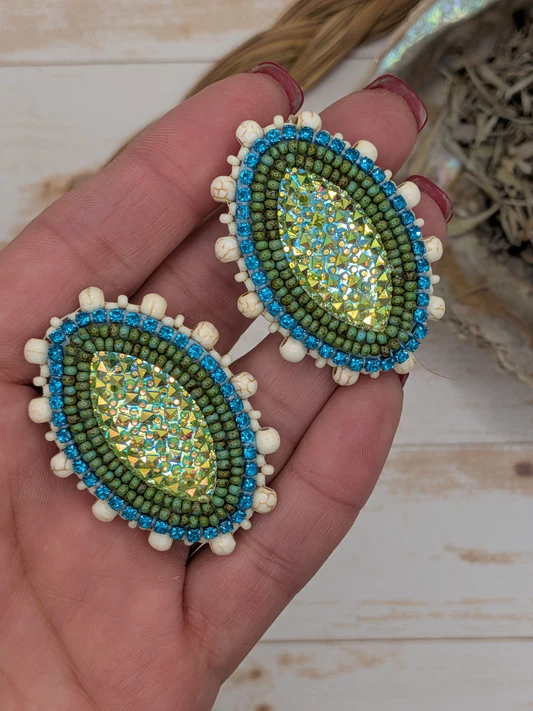
Beadwork methods in Indigenous communities encompass a wide range of stitches and looms, each suited to different materials, patterns, and ceremonial meanings. Common stitches include the lazy stitch, brick stitch, and peyote stitch, used by various groups to build lengthwise bands and complex geometric motifs. In many regions, even-count peyote and herringbone stitches create flexible tapestries that wrap around the neck, wrist, or ankle with a smooth surface. Netting, netted stitch, and brick stitch variations enable three-dimensional forms, such as gourds or amulets, and woven collars that carry social signaling. Bead looms, including backstrap and upright frames, permit longer rows and consistent beading tension, while smaller looms enable portable, on-site creation in markets and ceremonies. Finishing techniques include edge turning, thread wrapping, and secure knots to maximize durability in rough climates and during active movement. Color symbolism arises from material choices and placement of patterns, linking designs to clan identities, territorial markers, and spiritual beliefs. Contemporary practitioners blend traditional stitches with ergonomic design, improving wearability and production speed while preserving subtle texture and luster that define regional aesthetics.
Sourcing, Sustainability, and Material Authenticity
Table 1 provides a framework for understanding how Indigenous jewelry materials are sourced, assessed for sustainability, and verified for authenticity across regional practices. It emphasizes that transparency in supply chains, proper permits, and community oversight are essential for respecting cultural heritage while meeting ethical standards.
| Material Category | Common Sources | Sustainability Considerations | Authenticity Indicators |
|---|---|---|---|
| Beads (Glass and Natural) | Czech glass seed beads; hand-made beads from regional Indigenous bead artists | Typically manufactured; prefer recycled-content options; ensure fair-trade practices | Origin tags, supplier certificates, consistent bead shape and size |
| Metals (Copper, Silver, Bronze) | Recycled silver; responsibly mined copper; local artisan alloys | Prefer recycled metals; ensure conflict-free sources; verify alloy composition | Hallmarks, assay certificates, traceability documents |
| Shells and Natural Exudates | Cowrie shells, abalone; shells from licensed harvesters | Harvest quotas and permit compliance; avoid endangered species | Species IDs, harvest permits, documented supply chain |
| Fibers and Plant Materials | Plant fibers, sinew, yucca cordage from local growers | Seasonal harvesting; support community weavers; avoid chemical processing | Lot numbers, processing methods, natural dye IDs |
Collectors, curators, and designers should couple provenance documentation with direct engagement with source communities to ensure respectful representation and long-term stewardship. This approach helps preserve traditional knowledge and supports sustainable material economies for future generations.
Product Features and Value: Durability, Care, and Ethical Sourcing
Durability, care, and ethical sourcing are core values that shape the lasting appeal of Indigenous jewelry. This article section examines how different materials—from glass seed beads to silver, shell, and natural fibers—age over time and what that means for everyday wear. It also explains how responsible sourcing and transparent craftsmanship influence value, heritage, and the chance for generations to pass ornaments down. By understanding material longevity and practical maintenance, buyers can enjoy authentic Indigenous designs with confidence. The sections that follow translate these ideas into concrete guidance for assessing durability, cleaning, repairs, and the broader benefits of fair, community-centered practices.
Durability and Material Longevity
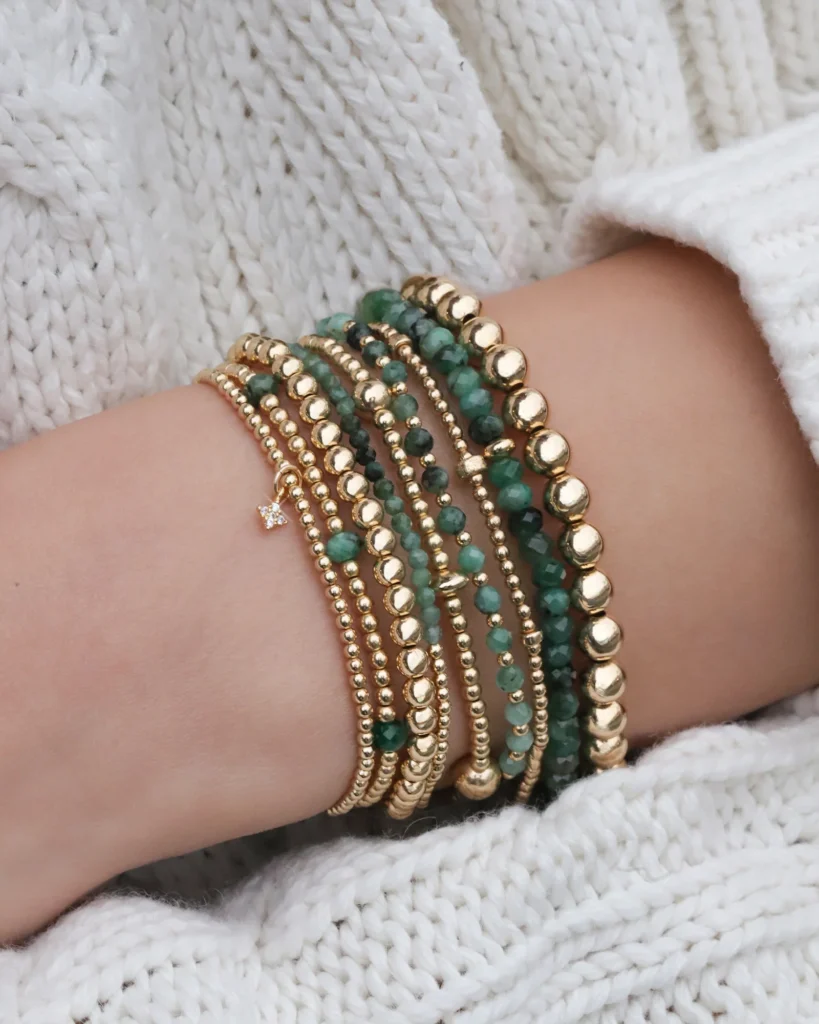
Durability in Indigenous jewelry emerges from a careful blend of materials, weaving or casting methods, and ongoing maintenance. Beadwork that uses glass or ceramic seed beads remains remarkably sturdy when the thread or sinew is correctly tensioned and knotting is reinforced at stress points; the piece can travel through daily wear for decades when the design distributes weight evenly. Natural materials like shells, bone, or horn bring beauty and organic warmth, yet they demand respectful handling and protection from excessive moisture and sudden temperature shifts. Metals such as sterling silver, copper, brass, and treated alloys develop patina that many collectors value for its historical character, but patina can obscure detail if cleaning is neglected. Leather, plant fibers, and organic cords deliver warmth and flexibility but are susceptible to humidity, pests, and wear; professional restringing or rethreading and selective sealing can extend life, while preserving the artisan’s tactile texture. Ultimately, durability hinges on the craft’s structural logic: strong clasps, secure knotting, and beadwork that sits evenly across the design reduce loosening and breakage. When a piece is repaired by the original maker or a trusted community workshop, it often gains an additional layer of meaning alongside its physical resilience. Materials respond differently to environmental exposure—sweat, salt air, and rough handling accelerate wear in some cases, while careful storage and occasional maintenance slow it. The cultural value of resilience in Indigenous jewelry is not merely technical; it embodies a living tradition where objects endure as carriers of memory. With that understanding, collectors can appreciate the longevity of Indigenous jewelry designs, recognizing both the material grammar and the care practices that sustain it for future generations.
Care, Cleaning, and Repair Recommendations
To preserve the integrity of Indigenous pieces, start with simple, consistent routines and know when to seek expert help. Before cleaning, gently wipe with a soft microfiber cloth to remove oils and dust, avoiding harsh solvents or abrasive brushes that can erode finishes or loosen knots over time. Regularly inspect clasps, threads, and knotting so that minor wear can be addressed before full failure occurs; professional rethreading or reseating beads by an experienced artisan preserves structure and keeps the piece authentic. For storage, place items in separate soft pouches or wrap them in breathable fabric to prevent tangling, chafing, or color transfer between materials such as beads and metals. If natural materials are present, avoid prolonged exposure to sun and moisture, which can cause drying, fading, or cracking; when in doubt, follow the maker’s recommendations for conditioning or protection. In daily wear, remove jewelry during swimming, heavy sweating, or activities that expose pieces to chemicals, as these can accelerate deterioration. If a repair is necessary, seek out the original artisan or a community workshop with beadwork and metalworking expertise to preserve stylistic integrity and cultural meaning. The goal is to maintain not only the piece’s physical durability but also its appearance and story, ensuring it continues to reflect Indigenous beading techniques and craftsmanship without compromising safety or wearability.
Beadwork Materials and Finishes
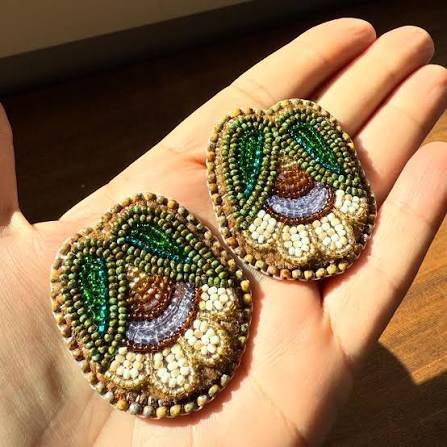
Beadwork materials influence both appearance and longevity. Artists choose seed beads for color retention and smooth weaving, while glass and ceramic beads offer brilliant hues that resist fading when set with strong threads. Finishes—whether matte, gloss, or enamel—can affect how surfaces respond to wear, washing, and sunlight. Evaluating a piece involves noting bead uniformity, seat depth, and color consistency across rows, all of which signal careful technique and a respectful approach to material choices.
Metal Components: Purity, Patina, and Care
Metal elements tell part of the story about a piece’s origin and use. Look for hallmark-free surfaces or maker marks that align with regional traditions, and assess the purity of metals used—sterling silver, copper, or brass—under appropriate lighting. Patina can add depth and history, but excessive tarnish or green corrosion may indicate wear that requires professional polishing or re-plating. Proper storage and gentle polishing with soft cloths help preserve luster without removing fine details.
Techniques, Signatures, and Craft Indicators
Notice the weaving density, knot spacing, and bead alignment as indicators of skilled labor. Some Indigenous traditions include distinctive signatures or motifs that identify the maker and community—recognizing these helps establish provenance and authenticity while honoring the artist’s lineage.
Repair and Restoration Options
When repairs are needed, consult the original artist or a trusted workshop with experience in the specific techniques used in the piece. Restoration should aim to preserve the design intent, materials, and cultural meaning, with clear communication about costs and timelines before work begins.
Assessing Value: Authenticity, Craftsmanship, and Rarity
Authenticity in Indigenous jewelry rests on a careful reading of provenance, technique, and cultural context. Genuine pieces reflect a defined community, time period, and often ceremonial use, rather than a generic fusion marketed as ’global-inspired.’ Observing material choices and construction methods—such as the density of beadwork, the reliability of joints, and the care evident in finishing—helps distinguish deeply rooted craft from superficial imitation. Look for maker identities, regional motifs, and sustainable sourcing stories that align with documented workshop practices or family lineage; these signals reinforce trust in the artist and the piece. Keeping a record of provenance, including gallery notes, cooperative catalogs, and oral histories, can substantially increase confidence in authenticity, and may also reveal an evolution of design across generations. The most valuable examples balance visible craftsmanship with a clear cultural narrative: precise bead alignment and secure metalwork that nonetheless honor traditional forms of adornment. Rarity adds nuance to value, but should be weighed alongside craftsmanship, community validation, and the continuity of practice. A rare piece may be highly collectible, yet it gains lasting significance when it documents a living tradition, not a static fetish. Ultimately, buyers should seek contextual information—authorship, regional style, workshop lineage, and material sourcing—to assess how a piece fits within the broader spectrum of Indigenous jewelry designs and cultural heritage. Informed evaluation respects Indigenous beading techniques, authentic indigenous jewels, and the evolving conversation around modern interpretations of traditional tribal adornments, making appreciation a collaboration between collector and community.
Ethical Sourcing, Fair Trade, and Community Benefits
Ethical sourcing in Indigenous jewelry goes beyond a label; it invites transparent relationships that honor artisans, communities, and environments. When a piece is produced in a cooperative, with direct fair-wage compensation and culturally appropriate agreements, the value is felt in the quality of materials, the care invested in each step, and the empowerment of makers. Fair trade practices can help ensure living wages, safe working conditions, and long-term support for training in Indigenous jewelry designs, beading techniques, and metalworking. Transparent supply chains reveal where stones, shells, beads, and metals originate, fostering trust among buyers who want to support cultural jewelry heritage rather than mass-market imitation. Purchasing from accredited Indigenous artists and recognized community hubs helps protect traditional craft while encouraging innovation—an important balance for contemporary Indigenous jewelry that blends Indigenous beading techniques with modern aesthetics. Community benefits may include funding for education, health, and cultural preservation programs, as well as mentorship opportunities for young artisans to learn traditional adornments and new, innovative native jewelry creations. Sustainable materials choices, such as naturally dyed fibers or responsibly sourced metals, reflect a commitment to stewardship that extends beyond a single piece. Buyers can contribute by asking about provenance, requesting receipts or certificates of authenticity, and supporting initiatives that reinvest in the artisans’ communities. In doing so, collectors participate in a living economy that respects cultural jewelry heritage, honors traditional tribal adornments, and sustains artistic practice for future generations. The ethical purchasing path recognizes that Indigenous craftsmanship is not only about aesthetics but also about relational responsibility—between maker, wearer, and community.
Offers, Customization, and Comparison for Buyers
Indigenous jewelry encompasses centuries of craft, offering pieces that carry meaning as well as beauty. This section explores how buyers can encounter compelling offers, request meaningful customization from Indigenous artisans, and compare handmade pieces with mass‑produced alternatives while respecting cultural contexts. You will discover practical steps for initiating custom work, evaluating materials, and understanding timelines and pricing. The goal is to help you navigate authentic, ethically sourced options that honor handwork, community traditions, and sustainable design. By understanding these elements, you can choose pieces that support Indigenous designers and celebrate authentic craftsmanship.
Custom Commissioning: Working with Artisans
Commissioning a custom piece from an Indigenous artisan is a collaborative process that deepens connection to culture while producing a one of a kind work of art. Begin by researching artisans or cooperatives who work in the styles you admire, whether beaded moccasins, beadwork collars, silver filigree, or natural material pendants, and note how they describe their craft, materials, and cultural protocols. Reach out with a clear vision of size, function, symbolism, and any budget or deadline you have; share reference images, meanings you want attached to colors, and whether the piece should reflect a particular community or technique. Expect questions about materials, sourcing, and permissions, and be prepared to adapt your design to align with the artisan’s traditional practices and regional styles. A respectful collaboration will discuss materials such as glass seed beads, bone, shell, copper, silver, or gold, and will consider symbolism, seasonal availability, and the durability required for daily wear. A professional maker will sketch or present a sample plan, outline milestones for design approval, beadwork or metalwork methods, and a production timeline that accounts for complex techniques like bead loom work or intricate filigree. The contract should cover ownership of the design, rights to reproduce the piece, payment terms, and estimated delivery dates, along with care instructions and post sale support. Throughout the process, observers should honor cultural protocols and avoid appropriating sacred motifs; ask about the community’s consent requirements, ensure the artisan is credited by name and studio, and plan for fair compensation that recognizes skill, time, and travel. Authentic commissions often allow for custom sizing and finishes, including choice of metal, bead colors, and chain or cord options, while preserving the artist’s signature technique. When the piece arrives, assess it for craftsmanship, symmetry, and detailing, and confirm that any symbols or motifs carry the intended meaning and permissions. In short, a well managed commissioning experience results in a visible collaboration between buyer and maker that respects culture, supports livelihoods, and yields a keepsake with cultural jewelry heritage.
Standard Sizing, Adjustments, and Fit
Jewelry sizing for Indigenous pieces follows both general jewelry norms and design specific realities. Rings are sized by inner diameter or circumference and must account for finger swelling in different climates and times of day, while bracelets rely on standard lengths or measurements around the wrist with allowances for clasp types. Neckpieces vary by bead counts, strand length, and knotting technique; chokers may be designed to rest high on the neck or drape more loosely depending on cultural style and beading density. To measure properly, use a flexible tape and have the artisan or retailer confirm a size chart; for rings, have your finger measured at the end of the day when fingers are largest, and consider if you will wear gloves; for bracelets, measure with the hand in a natural position to avoid tight fit. Alterations are common for metal components but more challenging for beadwork; ask about whether a bead loom piece can be rethreaded or whether clasps can be changed without compromising pattern integrity. Many Indigenous designs are created with fixed lengths to maintain the intended visual rhythm; adjustments may require adding or removing sections, retying knots, or refashioning entire sections, which can affect price and lead times. If you anticipate a change in fit, request adjustable options such as sliding knots, extender chains, or elasticized strands that preserve the design while allowing flexibility. Practically, discuss return or alteration policies before purchase, including who bears the cost and how long adjustments take. Finally, respect cultural constraints of certain pieces that may be restricted to specific body types or ceremonial uses, and always consult the artisan about any fit concerns to avoid damaging sacred motifs or fragile components.
Price Comparisons: Handmade vs Mass-produced
Understanding price in Indigenous jewelry means weighing material costs, labor, and cultural value against the realities of production scale. Handmade pieces reflect time spent by beadworkers, silversmiths, and natural material specialists, the complexity of techniques such as bead loom weaving or filigree, and the care taken to source materials in ways that respect communities and ecosystems. Materials such as glass seed beads, shell inlay, sterling silver, copper, or carved bone each carry different price signals, but the real premium comes from the artisan’s specialized skill, design originality, and the authenticity of the cultural context. Mass produced items may offer lower upfront prices but can sacrifice provenance, quality control, and the opportunity to support a living tradition; buyers should scrutinize the supplier’s claims about origins, workshops, and the use of traditional techniques. When comparing costs, ask for a breakdown of labor, materials, design rights, and travel or cooperative fees that support the community; if a price seems too low, probe whether it reflects a nonstandard material, a shared pattern, or a design copied from another artist. Ethical considerations matter: fair compensation, transparent sourcing, and the absence of exploitative practices all affect value beyond the price tag. Longer lead times for custom or limited edition pieces are normal and often justify higher costs, as is the opportunity to participate in decisions about colors, motifs, and finishes. Buyers can also consider the durability and longevity of handmade jewelry; a piece designed to be worn daily may justify a higher upfront cost if it remains structurally sound and timeless, whereas trend-driven fake Indigenous motifs may disappear quickly and offer little enduring value. In sum, compare not just the price but the total value, including cultural significance, craftsmanship, support for artisans, and the sustainability of materials and methods.
Buying Guide: Questions to Ask and Red Flags
When shopping for Indigenous jewelry, prepare a checklist of questions that reveal provenance, process, and practice, and stay alert for signals that a piece may not be authentically Indigenous. Ask who made the piece, where the studio is located, and whether the work is produced by a named artisan, a cooperative, or a workshop with documented practices; request a short explanation of the techniques used and the meaning of any symbols or motifs. Inquire about materials, sourcing, and whether the seller can provide a receipt or certificate of authenticity, especially for carved bone, shell, or precious metal components. Clarify lead times and care requirements, and confirm after purchase support for repairs or returns; a reliable seller will outline these policies clearly. Red flags to watch for include generic tribal motifs without a named maker, mass produced tags attached to items marketed as handmade, lack of a provenance trail, or prices that seem unusually low for the level of craftsmanship involved. Beware aggressive marketing that emphasizes exoticism or romanticized heritage while offering little about the maker’s identity or community involvement. Check how return policies respect cultural items, and verify that you are not inadvertently participating in a cultural misappropriation by using symbols out of context. If possible, ask about the community’s consent or guidelines for the reproduction of traditional designs, and prefer purchases from artists who share transparent information about their practice and rights. Finally, assess packaging, display, and communications; thoughtful presentation often reflects the same care given to the jewelry itself, and professional sellers will provide clear care instructions, warranty details, and post sale support that honors the maker and the community. By asking the right questions and avoiding common red flags, you can make an informed, respectful purchase that supports authentic Indigenous craftsmanship and cultural jewelry heritage.